Past
Breathe Ahmedabad: A Community Meetup
Date
2026-01-10
Time
10:00 - 12:30
Location
TAFCO Office, Makarba
Published
Oct 7, 2026
About the event
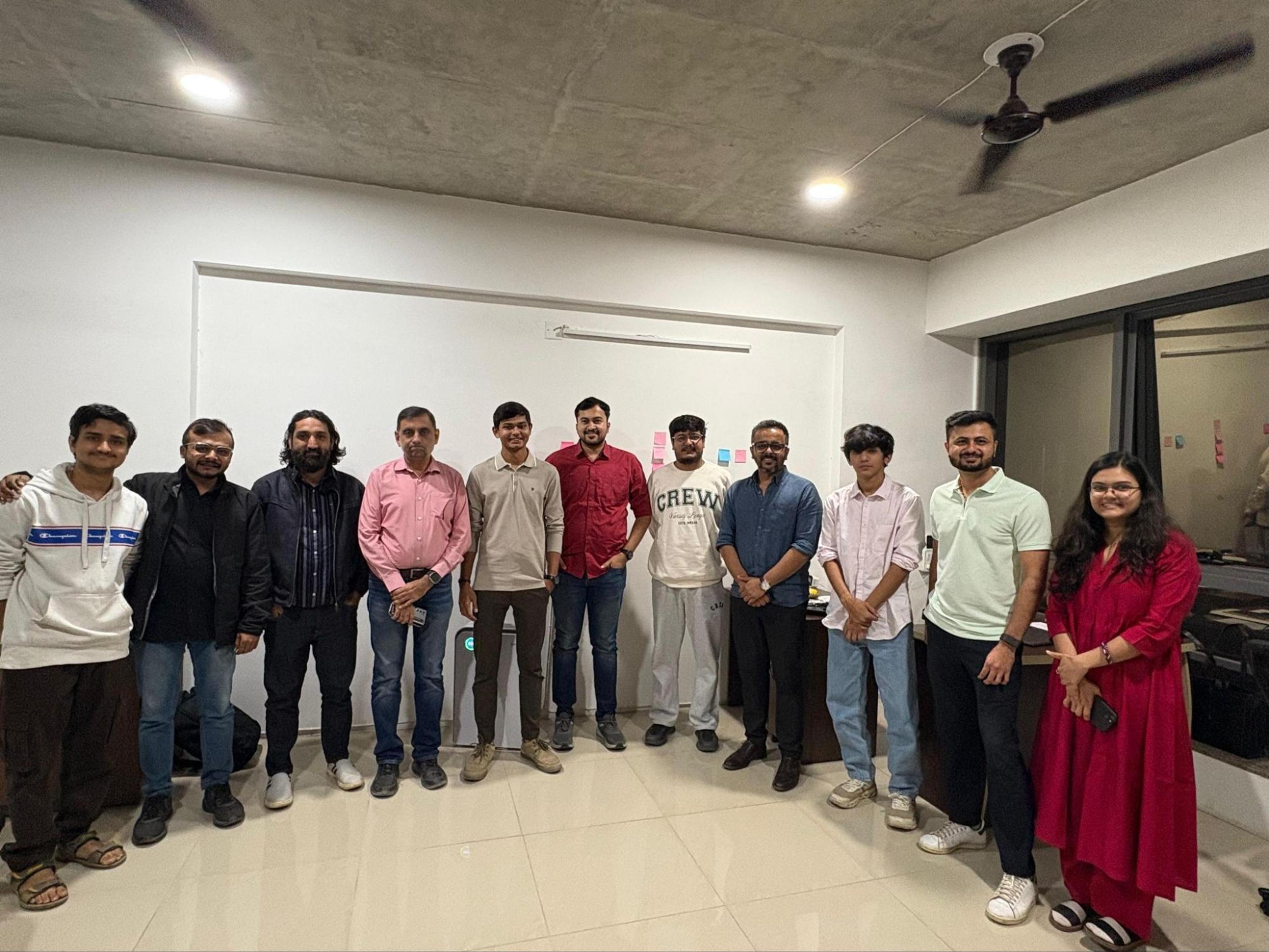
Saturday evening at TAFCO’s office was all about connecting with the air around us and with each other. Hosted by Mr. Ayyan Karmakar, the meetup brought together 10 people, ranging from curious first timers to experts with deep experience in air quality, research, and policy. The session featured inputs from environmental and air quality experts, including Mr. Chirag Bhimani and Dr. Sandeep Madhwal, covering topics such as air pollution regulation, monitoring, source apportionment, and health risk assessment. We began with quick introductions, followed by a simple breakdown of AQI, indoor air quality, and why air management in India often lags behind global benchmarks. Next, everyone described Ahmedabad’s air in one word. Responses ranged from “deteriorating” and “ignored” to “concerning,” while one hopeful voice chose “improvable,” reminding us that citizen action can still change the story. An engaging exchange followed when a participant shared observations comparing air quality levels in several foreign countries with those in India. This opened up a broader discussion on responsibility and action.Mr. Chirag Bhimani added that while policies and regulations exist, meaningful change depends equally on citizen participation and industry compliance. He referenced the Surat Emission Trading Scheme (ETS) , a market based system that has helped industries reduce particulate emissions by 20–30% as an example of how incentives and accountability can drive results. The conversation then turned to how we respond as citizens. When Delhi hosted a marathon at AQI 400, it made national headlines. But when Ahmedabad held a marathon at AQI 250+, few questioned it. Why are we quieter about our own city? During the “Truth vs Myth” game, one set gave participants a chance to rethink assumptions, most initially overlooked that air pollution worsens in winter mornings due to temperature inversion, focusing only on Diwali spikes. Guessing air pollution terms turned technical jargon into fun and shared learning, and participants also created a timeline of when they first learned about the concept of AQI. As we wrapped up, Dr. Sandeep noted that this was the first community-led air quality gathering of its kind in Ahmedabad and emphasized the need for many more such conversations to build awareness and sustained action. We closed with each participant sharing one key takeaway and a group photo. Everyone left more aware, more connected, and more ready to talk, act, and improve the air Ahmedabad breathes.